



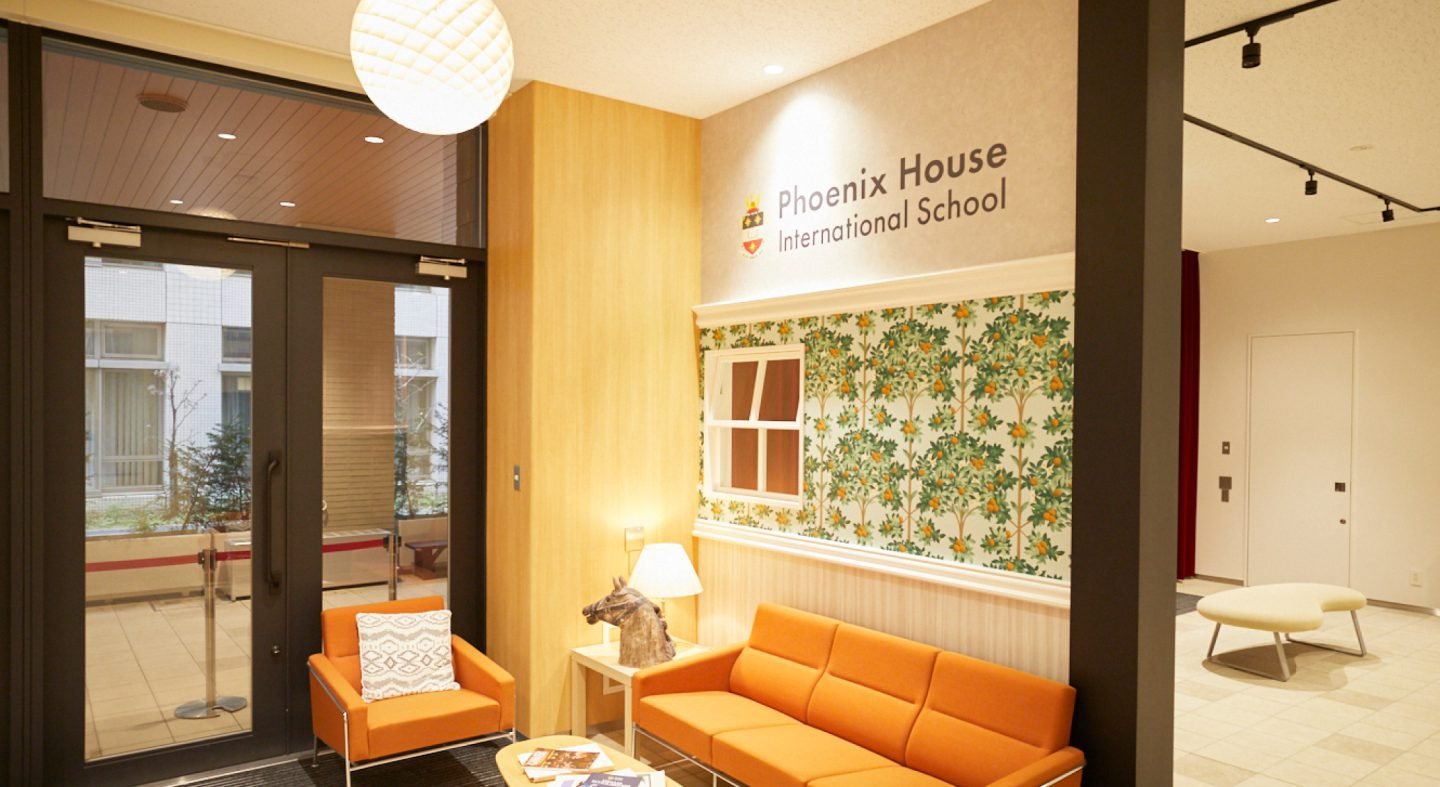

Phoenix House International School
School at a Glance
Phoenix House International School is a boutique British preparatory school located in central Tokyo that provides a traditional UK-style primary education for children aged 5–11. The school follows the National Curriculum of England (Key Stages 1 and 2) and focuses on building a strong academic foundation that prepares students for entry into leading international secondary schools, including Rugby School Japan.
Founded in 2021, Phoenix House is known for its small class sizes, strong pastoral care, and emphasis on communication skills, particularly “oracy,” which encourages confident speaking and critical thinking. The school also operates a traditional British house system that promotes teamwork, leadership, and community spirit. With modern facilities, a rich enrichment program, and recognition from the Council of British International Schools for student safety and well-being, Phoenix House offers a rigorous yet nurturing environment for young learners in Tokyo.
Fees & Value
Enrollment Fees
- Application Fee: ¥40,000
- Registration Fee: ¥260,000
- Deposit: ¥300,000
Campus & Facilities
Sports Facilities
Full-size indoor gymnasium with basketball court, badminton courts, indoor PE and games area, access to external sports grounds for outdoor activities, use of nearby swimming pools for swim lessons, and outdoor sports sessions at local pitches and parks.
Arts Facilities
Dedicated art classroom and creative studios, dance studio with professional Harlequin flooring, music practice rooms, orchestra and performance spaces, and exhibition areas for displaying student artwork and creative projects.
Technology
Interactive smartboards in classrooms, dedicated ICT/computing lessons, digital learning platforms, coding and STEAM resources, technology-supported research tools, and a well-equipped library with digital and physical learning materials.
Learning & Curriculum
Extracurricular Activities
Screen golf, LAMDA drama classes, orchestra and music clubs, coding and STEAM clubs, creative arts activities, sports clubs, enrichment programs, and outdoor learning through the “Into the Wild” trips and residential programs.
Admissions
Application Process
Complete the application form and submit required documents.
Entry Requirements
Assessments test, student and parent interview, teacher reference
Assessment Tests
The assessment is created and administered by UST faculty.
Interview Process
In-person interview (most common for local applicants)
Virtual/online interview (for overseas or relocating families)
Deadlines
Rolling admissions, but this depends on grade level and seat availability.
Required Documents
Completed Application Form
Application Fee Payment Confirmation
Recent School Reports / Transcripts (usually past 1–2 years, if applicable)
Copy of Passport (student and sometimes parents)
Residence Card / Visa Copy (if residing in Japan)
Immunization / Health Records (may be requested upon enrollment)
Teacher Reference Form (for applicable grade levels)
Additional Academic Records (if transferring from another international school)
Contact & Location
- Address: 3-7 Yonban-cho, Chiyoda-ku, Tokyo 102-0081
- City: Tokyo
- Phone: +81 3-5530-7406
- Email: admissions@phoenixhouseschool.org
- Website: https://www.phoenixhouseschool.org/