




New International School of Japan (NewIS)
School at a Glance
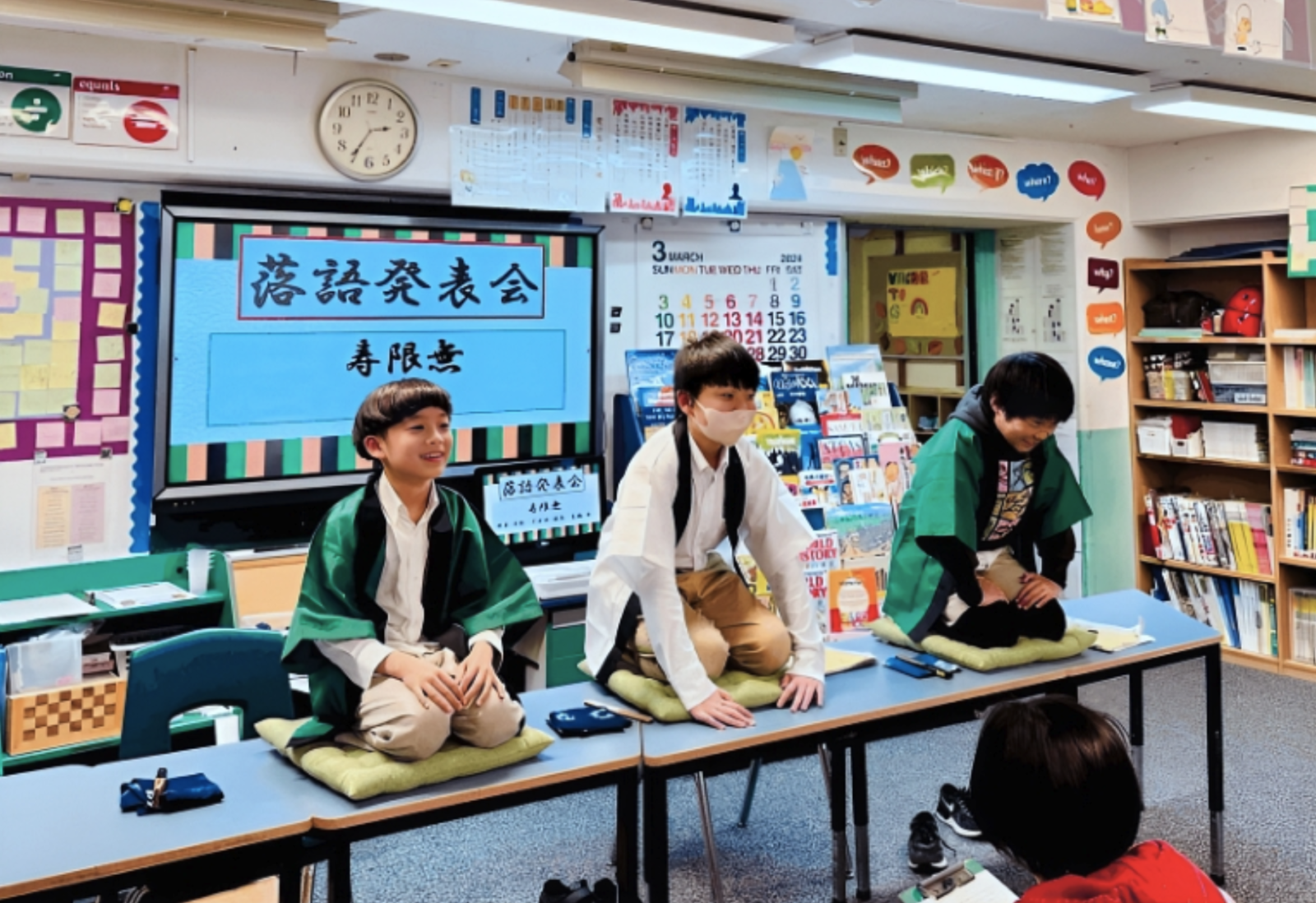
The New International School of Japan (NewIS) is a well-established international day school in Ikebukuro, Tokyo, founded in 2001. It is widely recognized for its distinctive dual-language (English and Japanese) developmental approach and its multi-age classroom structure, where students learn in three-year age groupings rather than traditional single-grade levels. Serving students from age 3 through Grade 12, the school follows a Vygotskian philosophy that emphasizes social interaction, collaboration, and knowledge construction. Accredited by MSA-CESS and the Council of International Schools (CIS), NewIS offers an American high school diploma within a highly inclusive, non-competitive environment that values diversity, multilingualism, and individualized growth. With approximately 200+ students representing over 30 nationalities, the school fosters strong teacher-student relationships through its three-year classroom cycles. The urban campus includes open-plan learning centers, an indoor gym, art studios, music rooms, and a science laboratory, while also utilizing local parks and community facilities for physical education. Known for its supportive culture and strong bilingual development, NewIS is an excellent choice for families seeking a progressive, inclusive, and developmentally responsive education in Tokyo.
Fees & Value
Enrollment Fees
- Application Fee: ¥20,000
- Registration Fee: ¥300,000
- Deposit: ¥450,000
Campus & Facilities
Sports Facilities
Indoor gym / multi-purpose hall, use of nearby parks and community fields for outdoor physical education, organized PE activities at local recreation areas, movement and play zones within the campus environment, access to municipal sports facilities for seasonal units.
Arts Facilities
Dedicated art studio, visual arts classroom, music room, creative project spaces within multi-age learning centers, exhibition areas for student artwork, access to diverse art materials for resource-based learning.
Technology
Classroom laptops and shared devices, coding club and digital literacy activities, technology-integrated STEM learning, multimedia presentation tools, internet-enabled research resources, interactive digital platforms to support dual-language learning, access to online SAT/AP preparation tools for secondary students.
Learning & Curriculum
Extracurricular Activities
Violin, Cello, Art Club, Chess Club, Coding Club, Seasonal Sports Programs.
Admissions
Application Process
Complete the application form and submit required documents.
Entry Requirements
Assessments test, student and parent interview, teacher reference
Assessment Tests
The assessment is created and administered by the school faculty.
Interview Process
In-person interview (most common for local applicants)
Virtual/online interview (for overseas or relocating families)
Deadlines
Rolling admissions (applications accepted year-round)
Required Documents
Completed Application Form
Application Fee Payment Confirmation
Recent School Reports / Transcripts (usually past 1–2 years, if applicable)
Copy of Passport (student and sometimes parents)
Residence Card / Visa Copy (if residing in Japan)
Immunization / Health Records (may be requested upon enrollment)
Teacher Reference Form (for applicable grade levels)
Additional Academic Records (if transferring from another international school)
Contact & Location
- Address: 3-18-32 Minami-Ikebukuro, Toshima-ku, Tokyo 171-0022
- City: Tokyo
- Phone: +81 3-3980-1057
- Email: info@newis.ed.jp
- Website: https://www.newis.ed.jp/